For more than 25 years, I’ve documented my journey through music, setbacks, victories, and everything in between.
This collection isn’t just a catalog of songs.
It’s the story of a life that refused to quit.
Before you decide whether to own the Legacy Collection, I’d like to show you how we got here.
When I first started putting this collection together, I thought I was simply gathering everything I’d created over the last twenty-five years.
I was wrong.
As I dug through old boxes, hard drives, notebooks, and memories, I realized I wasn’t just organizing albums. I was uncovering pieces of my life. Pictures I hadn’t looked at in years. Stories I hadn’t told in a very long time. Moments I thought I’d forgotten forever.
Some chapters are messy.
Some are painful.
Some are unforgettable.
But every one of them deserves its place because each one helped shape the person I am today.
Whether you’ve been listening since the beginning, or we just met yesterday, thank you for taking the time to be here.
Now…
Let’s go back… to where it all began.
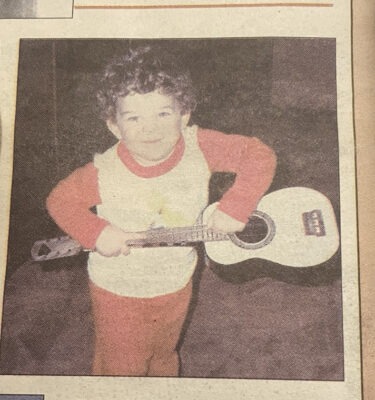
Long before there were albums, DVDs, books, or a Legacy Collection, there was just a kid trying to figure out where he belonged.
Growing up, I never really felt like I fit in anywhere. Like a lot of people, I was searching for something that felt like it was mine.
I was already a huge Green Day fan by the time Woodstock ’94 happened.
I had no idea I was about to watch the moment that would change everything.
I still remember standing in front of the mirror with a tennis racket slung over my shoulder like it was Billie Joe Armstrong’s guitar while Green Day was playing Woodstock.
In my mind, I wasn’t standing in my house anymore. I was on that stage.
That’s when it really hit me.
That’s what I wanted to do.
It wasn’t about becoming famous. It wasn’t about making money. I wanted to be on a stage. I wanted to make music. I wanted to connect with people the way Green Day connected with me.
I started taking guitar lessons not long after that, but there was one problem. My teacher wanted to teach me scales, exercises, and music theory. I just wanted to learn Green Day songs. I wanted to know three chords, start a band, and play.
At the time, I thought he was just old and out of touch. Looking back now, I understand why he was teaching the way he did, but back then, all I wanted to do was play music.
I didn’t know it yet, but my path into music wasn’t going to happen the way I expected
Around 1998, I started talking more with a guy named Elliott who rode my school bus. He had been making hip-hop with his friend Nate under the name ASPIC for years. Up until then, music was something I watched on MTV, listened to on CDs, or dreamed about from a distance. Elliott showed me it was something ordinary people could actually create.
That completely changed the way I looked at music.
For the first time, I realized I didn’t need to know how to play guitar to write lyrics, tell stories, and express myself. Music suddenly felt attainable. It wasn’t just something famous bands did anymore. It was something I could actually be a part of.
Elliott invited me to start recording with them, and I jumped at the chance. Looking back, I was terrible, but at the time I didn’t care. I had finally found a way to create music, and that was all that mattered. The first song I ever recorded was called Nirvana, and I couldn’t stay on beat to save my life. It wasn’t good, but everybody has to start somewhere.
Around the same time, my brother kept introducing me to different artists. He filled the house with No Limit Records, playing Master P, Mystikal, C-Murder, Silk the Shocker, and so many others. Hip-hop became the soundtrack of our house, and without realizing it, it was becoming the soundtrack of my life too.
Then, in 1999, Woodstock changed everything for the second time. Five years after discovering Green Day there, I watched Insane Clown Posse perform and finally understood who they were after hearing about them on MTV’s Shockumentary. They weren’t trying to fit into what everyone else was doing. They built their own world, their own fanbase, and their own culture. Seeing that opened my eyes to the idea that there was more than one way to succeed in music.
By late 2001, my brother introduced me to a guy named Tony. He wasn’t known as Shysty yet, but we clicked almost immediately. We shared the same passion for hip-hop, and before long we were writing, recording, and trying to figure out who we wanted to become as artists. None of us had everything figured out yet, but we all believed we could build something.
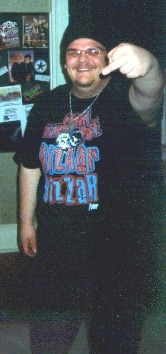
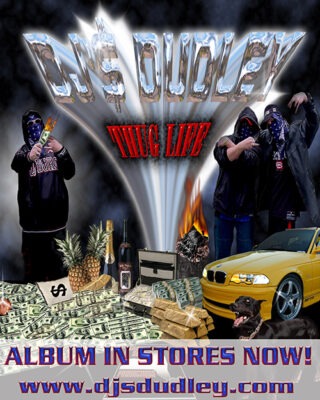
In 2002, we released our first project together. It was called DJ’s Dudley. Looking back, it was exactly what you’d expect from a bunch of teenagers trying to find their identity. We recorded over industry beats, wore masks because we thought it looked cool, and were still searching for our own style. It makes me laugh now, but at the time we were giving it everything we had.
Somehow, my dad managed to get the project professionally pressed onto silver CDs. To this day, I honestly don’t know how he pulled that off. We even made a little noise around Utica with it. Holding that CD in my hands changed something inside me. For the first time, this wasn’t just a dream or conversations between friends. We had created something real that people could actually hold.
By 2003, I knew I wanted more than another mixtape or another experiment.
DJ’s Dudley had done exactly what it needed to do. It taught me how to record, how to work with other people, and maybe more importantly, it taught me who I wasn’t.
The masks were gone.
The fake gangster image was gone.
I wasn’t interested in pretending to be somebody else anymore.
If I was going to do this, I wanted people to know who I really was.
That’s when everything started to change.
It was around this time that Nate, better known as Nappy from ASPIC, looked at me one day and said, “Dude… you should go by B-Side.”
The name hit me immediately.
I loved it, but I wanted to make it my own. Instead of spelling it like the back side of a record, I changed it to B-Cide. At the time, I thought of it like the ending of the word “homicide.” My whole mindset was simple—I wanted to kill it on the microphone.
Years later, I found out that “cide” actually has Latin roots relating to killing.
Without even realizing it, I had created a name that fit exactly what I wanted it to represent.
That was the beginning of B-Cide.
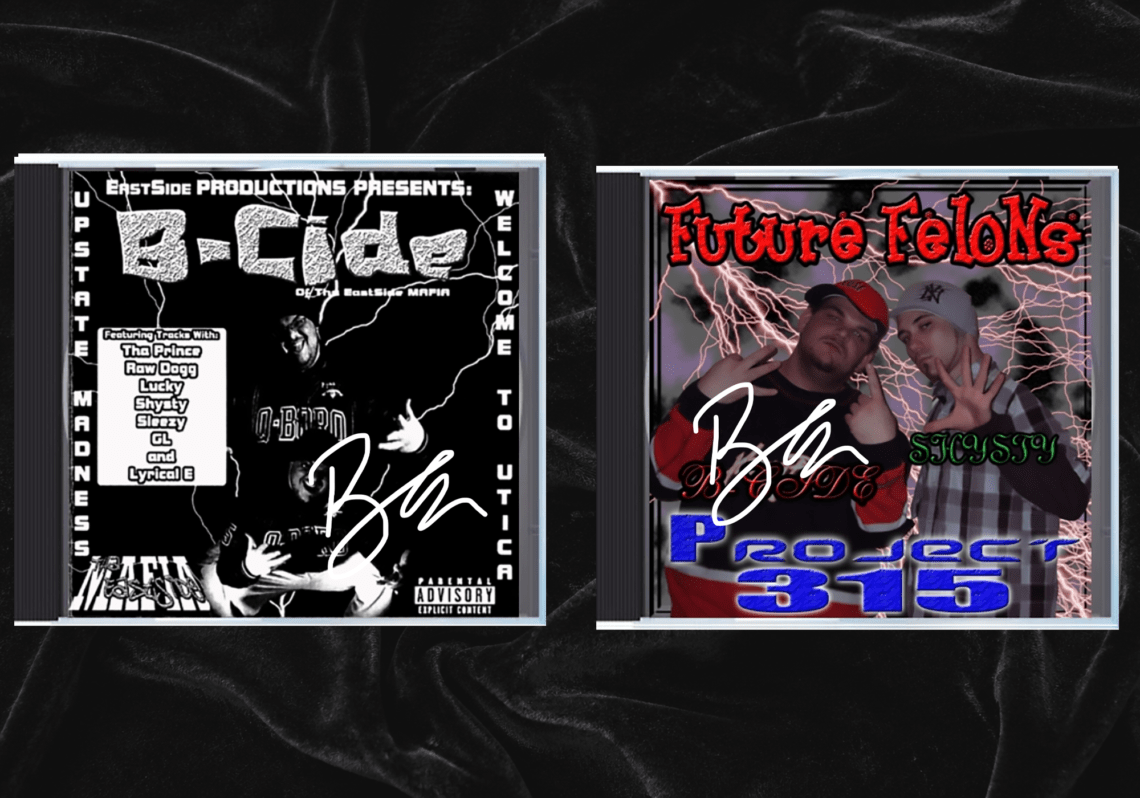
That same year, I released my first true solo album, Upstate Madness: Welcome to Utica.
This wasn’t just another CD to me.
It was the first project that felt like I had found my own voice.
I had 100 professionally pressed copies made. Money was tight, so instead of paying extra for full-color printing, I kept the entire package black and white. The front cover, the inside artwork, the back cover, even the printing on the silver CD itself.
Looking back, it seems funny to think about saving a few bucks that way.
Back then, every dollar mattered.
More than anything, I wanted it to feel like a real album.
Everything was still being recorded in my bedroom at 1515 Genesee Street.
To everyone else, it was just another bedroom.
To us, it was 1515 Studios.
That’s where we spent countless hours writing songs, recording vocals, learning how to mix, and figuring everything out one project at a time.
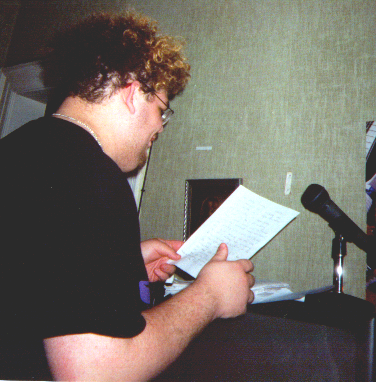
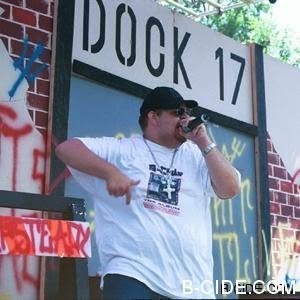
We started performing anywhere people would let us.
Virgo Bats and Leo Phrogs.
Captain Trips Rainforest Preserve.
Club Amnesia after Captain Trips changed names.
VFW halls.
College parties.
Church basements.
Backyards.
If there was a stage and somebody was willing to hand us a microphone, we were there.
Those shows weren’t glamorous.
But every one of them made us better.
One of the biggest moments during those early years came when Shysty and I entered the 2003 Gathering of the Juggalos MC Competition.
Just getting on that stage felt like a huge accomplishment.
Sometime afterward, I was browsing the Gathering website when I came across a picture of myself from the performance.
I couldn’t believe it.
Then the 2004 Gathering of the Juggalos program came out…
…and there I was again.
I remember looking at that picture and thinking,
“Damn… maybe I actually look like I’m supposed to be doing this.”
It probably sounds like a small thing now, but back then it meant a lot.
It gave me confidence.
It made me feel like maybe I really did belong in the underground scene I’d looked up to for years.
After Upstate Madness, the music kept coming.
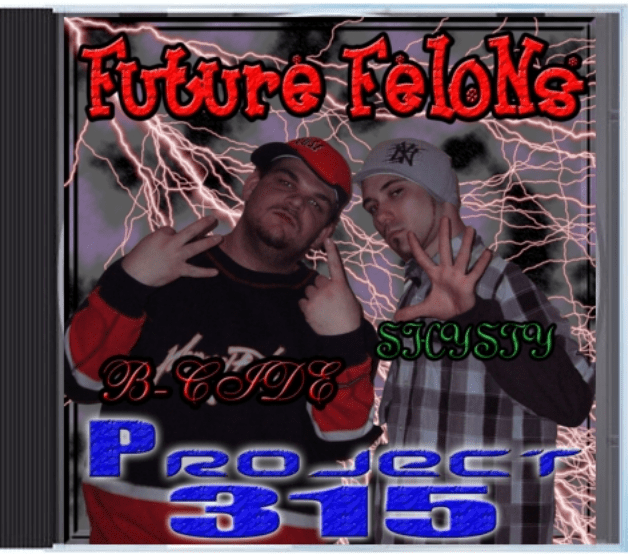
In 2004, Shysty and I released our group album, Future Felons Project 315.
Every release pushed me to get better.
Every project taught me something new.
I wasn’t chasing perfection.
I was chasing progress.
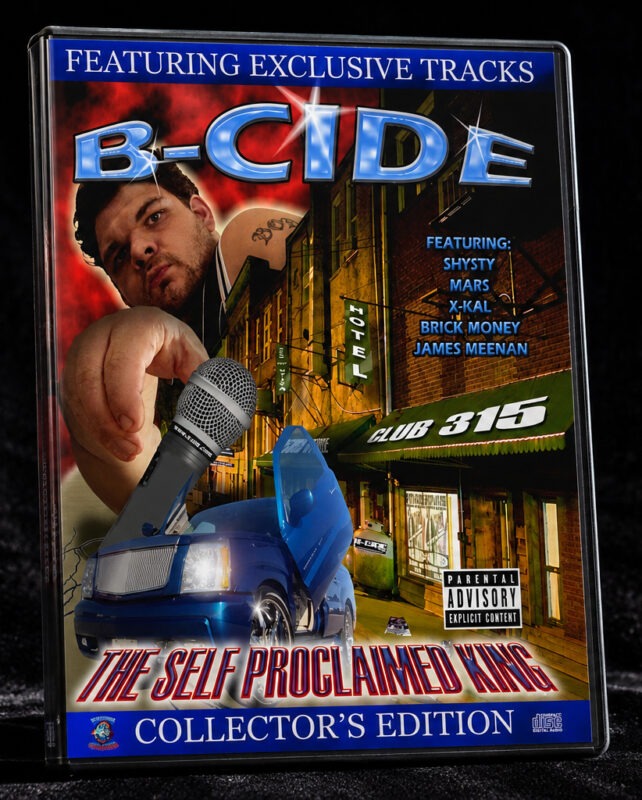
Then came The Self-Proclaimed King.
Looking back, that’s the album that really put me on the map in the horrorcore underground.
It opened doors I never expected.
I started traveling outside New York, doing shows in places like Ohio and Michigan, and meeting artists I’d only known through their music before.
For the first time, it felt like what I was building was reaching beyond my hometown.
One thing that separated us from a lot of other local artists was the way we approached everything.
To me, it was never just about making music.
It was about building something.
The music mattered.
But so did the artwork.
The packaging.
The CDs.
The performances.
The promotion.
The networking.
The marketing.
It was all part of the same picture.
That mindset rubbed some people the wrong way.
Shysty and I caught a lot of criticism over the years because we promoted ourselves hard.
Some people loved us.
Some people couldn’t stand us.
Either way…
People knew who we were.
One of the biggest turning points in my career happened because of a website called SoundClick.
That’s where DJ Pimp found my music.
He never made me promises.
He never told me he was going to make me famous.
He simply believed in what I was doing enough to start introducing me to people.
Over time, those introductions led to opportunities I never could have created on my own.
Eventually, DJ Pimp invited me out to California.
That’s where I met DJ King Assassin.
After I got back home, I put together a package and mailed it to him.
It wasn’t a demo.
It was my body of work.
Album after album.
Project after project.
I wanted him to see years of dedication before he ever pressed play.
Thankfully…
He did.
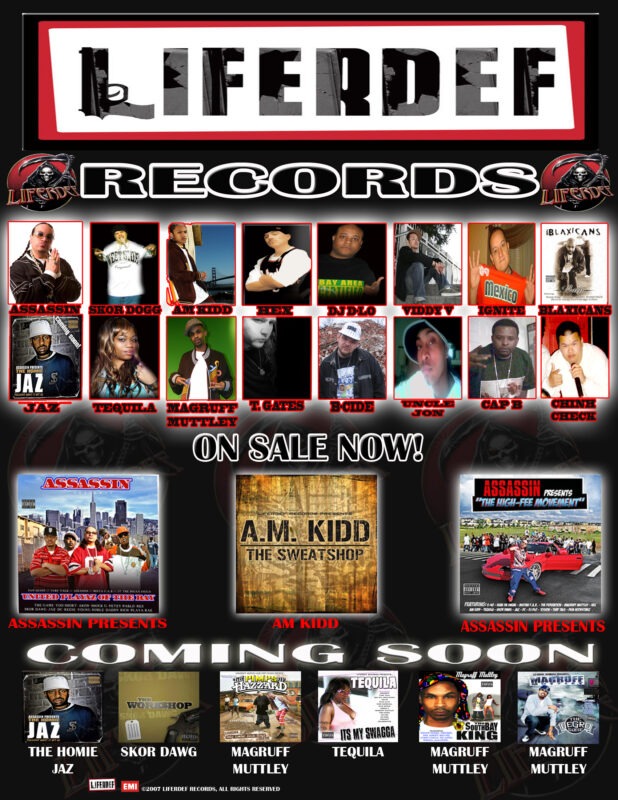
DJ King Assassin was impressed enough to sign me to LiferDef Records, which was distributed through Universal.
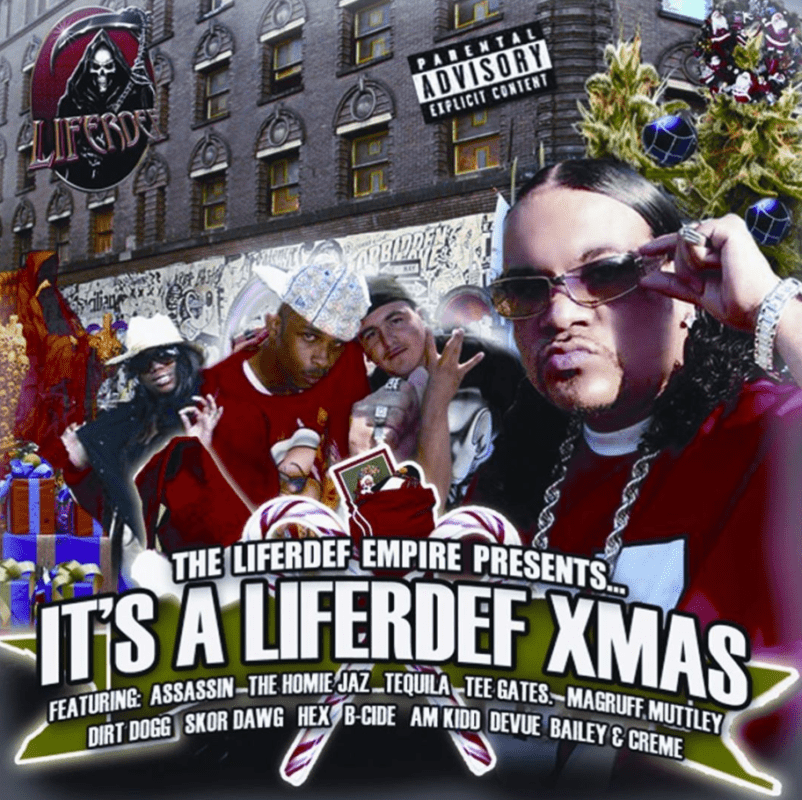
Not long afterward, I became part of the Liferdef Empire collective and appeared on the 2007 holiday compilation It’s A Liferdef Xmas, released through Thump Records.
After years of recording in my bedroom, playing wherever anyone would let us perform, and betting on myself over and over again…
It finally felt like I had reached the next level.
I honestly believed the best was still ahead.
I honestly thought everything was falling into place.
After years of grinding, I had finally signed with LiferDef Records, a label with major distribution through Universal. I was working alongside DJ King Assassin and a talented roster of artists from across the country. For the first time, it felt like all the years of recording in my bedroom, playing local shows, and building my catalog were starting to pay off.
In 2007, I flew back out to California to be part of the music video for McGruff Mutley’s LiferDef single. This time, I wasn’t traveling with DJ Pimp. I went on my own.
I stayed at Assassin’s house for a few days, spent time at T-Gates’ place, crashed at McGruff’s house, and got to hang out with everyone on the label.
Those are memories I’ll never forget.
Coming from Utica, New York, being out in California with those guys felt like a completely different world. We spent our days talking music, hanging out, and enjoying some incredible California weed long before cannabis became as accepted as it is today.
For the first time, I truly felt like I was part of something bigger than myself.
Then one day…
It was over.
There wasn’t a meeting.
There wasn’t a phone call.
There wasn’t even an email.
Like everyone else, I found out through a post on DJ King Assassin’s MySpace page that LiferDef Records was shutting down. Assassin had decided to focus on his own career, and the label was coming to an end.
I remember reading it and thinking…
“Well… I guess that’s it.”
The Christmas compilation would end up being the only official release I ever had through LiferDef. The solo albums we’d talked about never happened.
I won’t lie.
I was disappointed.
I had spent years working toward that opportunity, and before I ever got the chance to see what a full label push behind one of my own albums might have looked like, it was gone.
There was never any bad blood between Assassin and me. We’re still friends to this day.
Sometimes things just don’t work out the way you expect them to.
The album that had originally been planned for LiferDef became Free Agent.
The title wasn’t just an album name anymore.
It was exactly what I was.
Looking back, it never felt like I was starting over.
It felt like I was continuing exactly where I left off… just without the push I thought I was going to have.
One memory from that time has stayed with me ever since.
I was driving down Oneida Street in Utica before Free Agent was released, listening to the album in my car. The song “You Can’t Do” came on, and I found myself hearing my own music differently than I ever had before.
For the first time…
I understood what somebody else had heard in me.
It wasn’t about ego.
It wasn’t about thinking I was better than anyone else.
It was just this quiet realization.
“Okay… I get it now.”
For the first time, I understood why DJ King Assassin had believed in me enough to offer me a record deal in the first place.
That moment gave me something no contract ever could.
Confidence.
Not confidence because someone else believed in me.
Confidence because I finally believed in myself.
From there, I kept building.
I released Free Agent, followed by Bootlegs & B-Sides and Bootlegs & B-Sides Volume 2.
I brought back The Big East Finest Mixtape Volume 2.
I released The Self-Proclaimed King Collector’s Edition, giving new life to an album that had completely sold out.
Earlier releases like Project 315 were professionally repressed with updated artwork and packaging, while new projects like The CIDE SHOW and a professionally pressed version of Fuck the Haters continued to grow the catalog.
Looking back, I wasn’t just releasing music.
I was building a foundation.
Then another opportunity came along that I never saw coming.
I played a show in Pennsylvania where Project Born was also on the bill.
As a longtime Juggalo, that was a huge moment for me. Project Born had been the very first group signed to Psychopathic Records, and I’d been listening to them for years.
After my performance, Polk from Project Born walked up to me.
“Dude…”
“You’re good.”
“We need to work together.”
That conversation changed everything.
Before long, I was featured on Project Born’s Born Dead 2 album on the song “Getcha Wicked On.”
One feature led to another opportunity.
Project Born invited me out on the road.
Before I knew it, I was living in Flint, Michigan, for about a year and a half and touring all over the country.
California.
Texas.
Florida.
Oregon.
New Mexico.
Ohio.
Connecticut.
New York.
Michigan.
Every city taught me something.
Every show made me better.
There were moments on that tour that still make me laugh. At one show, a girl came running up to me after we performed and started kissing me right there in the bar because she couldn’t believe I was actually there. The guys in Project Born were laughing, and I just remember thinking, “Are you sure you’ve got the right person?”
It was surreal.
Looking back now…
I don’t think I realized just how fast everything was happening.
One minute, I was wondering what came next after LiferDef.
The next, I was living in Flint and touring the country with one of the groups I’d grown up listening to.
Life was moving faster than I could process it.
I thought I had finally found my rhythm.
I had no idea how quickly everything was about to change.
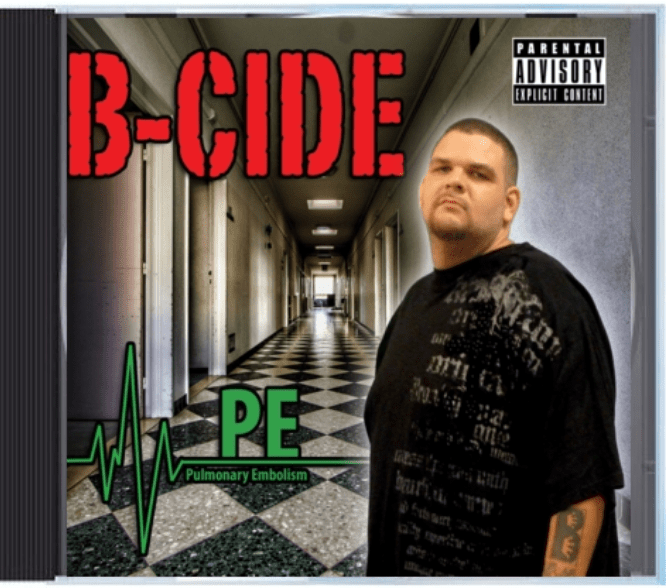
When I released Pulmonary Embolism in November 2011, I thought the title reflected one health scare I’d already survived.
I had no idea another diagnosis was about to redefine the rest of my life.
At the time, I was focused on doing what I’d always done.
Making music.
Playing shows.
Building my career.
From the outside, life looked like it was moving in the right direction. I was back in Utica after spending about a year and a half living in Flint, Michigan, working alongside Project Born. We had plans for the future, and I honestly believed the best years of my music career were still ahead of me.
Back home, I slipped right back into the life I knew.
I was recording every day at 1515 Studios, working with my dad, producing other artists, releasing exclusive tracks through my website, and performing whenever I had the opportunity. Whether it was The Venue, The Electric Company, or another local stage, I wasn’t slowing down.
I was still building.
Years earlier, while I was still working at Subway, my left arm had gone numb. I convinced myself it was nothing more than a pinched nerve.
So I kept going.
That’s who I was.
If something got in my way…
I worked through it.
Not long after releasing Pulmonary Embolism, I finally decided it was time to see a doctor.
The numbness wasn’t going away.
My family doctor referred me to a neurologist.
I walked into that appointment expecting to hear what I’d believed all along.
A pinched nerve.
Instead…
I heard two words that changed everything.
Multiple Sclerosis.
I still remember sitting in the neurologist’s office, looking around at brochures about MS, ALS, and other neurological diseases. My girlfriend’s father had gone with me that day, and while I was trying to process everything, one thought stood out more than anything else.
It wasn’t ALS.
A close friend’s father had passed away from ALS, and that possibility had been sitting in the back of my mind.
The neurologist explained the treatment plan and made it sound like life would keep moving forward. I’d take some injections, make a few adjustments, and get back to normal.
So I believed him.
I walked out of that office thinking I’d continue living the life I’d already built.
I couldn’t have been more wrong.
At first, I refused to let Multiple Sclerosis change anything.
I kept making music.
I kept traveling.
I kept saying yes to opportunities.
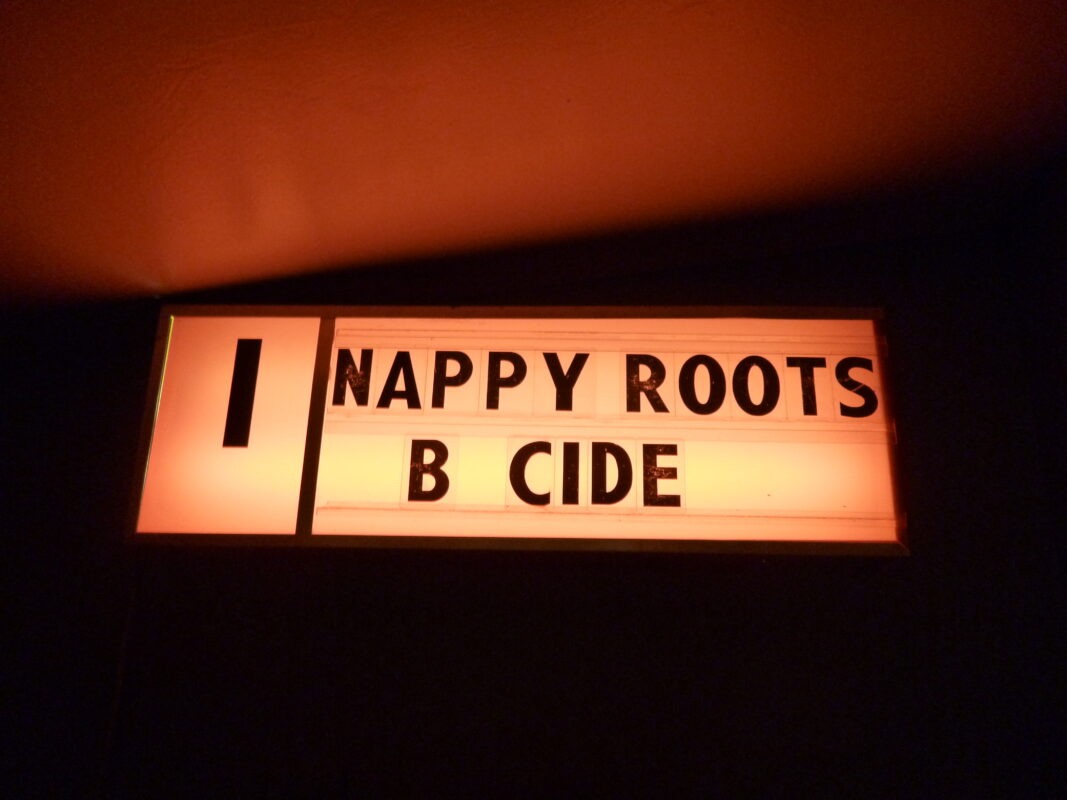
In 2012, I opened for Nappy Roots at the Uptown Theater in Utica.
I still remember walking off stage feeling great about the performance, but something didn’t feel right.
One of my legs had gone numb.
I laughed it off.
Maybe it was adrenaline.
Maybe I’d pinched a nerve again.
I had no idea those moments were all connected.
I traveled back to Michigan to perform with my friend G Beanz on a show opening for Killah Priest of the Wu-Tang Clan.
I accepted another opportunity to perform at Pop’s near St. Louis.
As far as I was concerned…
Nothing was going to stop me.
But life doesn’t always ask for permission.
The changes didn’t happen all at once.
They showed up quietly.
Walking upstairs became harder.
My balance wasn’t what it used to be.
Everything started feeling heavier.
Things I’d done automatically for years suddenly required planning.
Then came the questions.
Questions I’d never imagined asking myself.
Would I end up in a wheelchair?
Would the medication actually work?
Would I ever tour again?
Would I still be independent?
Would I ever walk normally again?
For the first time since I was a teenager…
Music wasn’t the first thing on my mind.
I wasn’t thinking about my next album.
I wasn’t thinking about my next show.
I wasn’t thinking about my career.
I was trying to figure out what the rest of my life was going to look like.
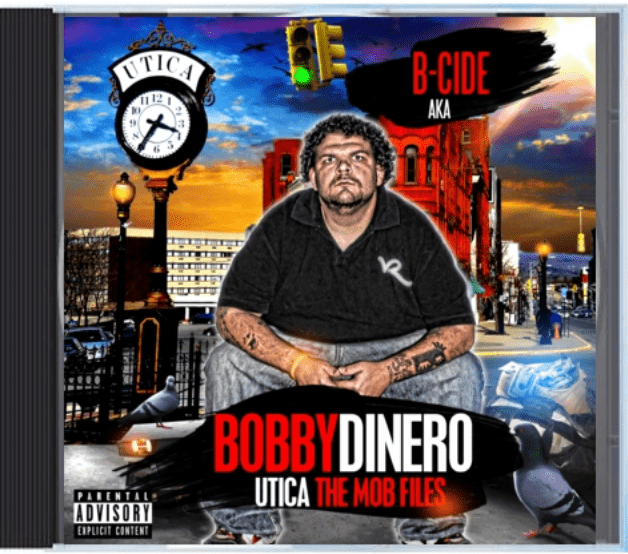
Around that time, I released B-Cide a.k.a. Bobby Dinero: Utica the Mob Files.
When I listen to that album today, I can hear exactly where my head was.
That record became the place where I unloaded everything I couldn’t put into words any other way.
The frustration.
The uncertainty.
The anger.
Music didn’t solve those problems.
But it gave them somewhere to go.
As time went on, my creativity began to evolve.
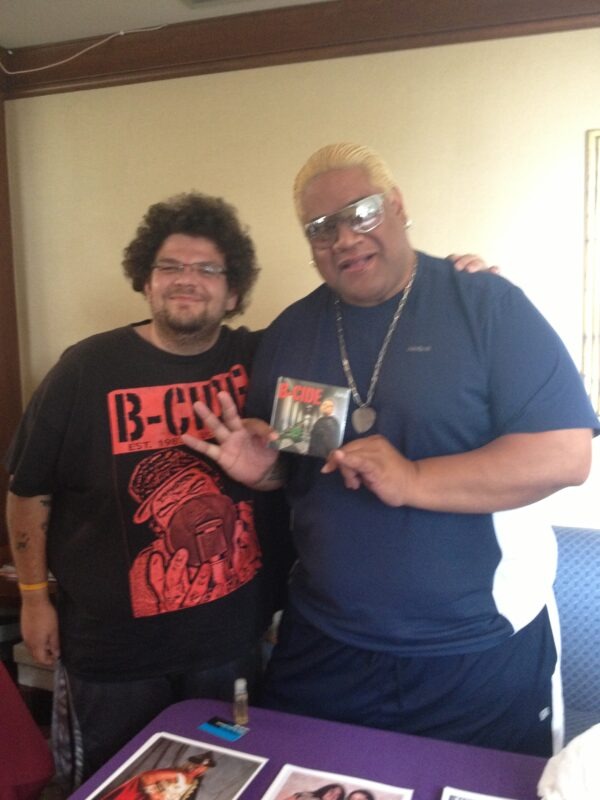
I still created projects like Universe Anthem, Raw Nation, and Samoan Dynasty for Rikishi, but I wasn’t chasing albums the way I once had.
I was trying to figure out life.
As the years passed, the changes became harder to ignore.
First came the cane.
Then the walker.
Driving slowly disappeared from my life.
Recording became more difficult as my body demanded more from me than ever before.
The hardest part wasn’t that everything changed overnight.
It was that nothing happened overnight.
Multiple Sclerosis didn’t take my old life away in a single moment.
It asked me to let go of it…
One piece at a time.
By 2017, another chapter of my life had come to an end.
I left a relationship that, looking back, wasn’t the environment I needed while trying to navigate a progressive disease.
Moving back in with my mom wasn’t how I pictured my future.
But it didn’t feel like failure.
It felt like relief.
For the first time in a long time, I felt like I finally had the chance to focus on my health instead of simply surviving each day.
Looking back now, I realize something I couldn’t see then.
For years, I’d spent my life trying to build a career.
When I moved into my mom’s one-bedroom apartment, there wasn’t even a room waiting for me.
My bed went in the living room.
We squeezed my computer desk into whatever space we could find.
A microphone.
External hard drives.
Boxes of CDs.
Years of my life packed into whatever space was left.
The rest of it…
Went into a storage locker.
At the time, it felt like everything I’d spent years building had been packed into boxes.
Looking back now…
Maybe that’s exactly what had happened.
That first night, I barely slept.
I remember lying there, staring at the ceiling.
Part of me was grieving the life I thought I was going to have.
Another part of me was simply relieved.
Relieved that I had finally gotten out of a situation that had become unhealthy.
For the first time in years…
I could finally breathe.
But relief isn’t the same thing as healing.
Healing took time.
Much more time than I expected.
For the next couple of years, I wasn’t thinking about another record deal.
I wasn’t thinking about another album.
Honestly…
I wasn’t thinking very far ahead at all.
I was simply trying to understand how my life had changed so quickly.
Some days, the only thing that made sense was sitting down in front of the microphone and recording whatever was on my mind.
There wasn’t a grand plan.
No marketing strategy.
No release schedule.
Just music.
I continued recording whenever inspiration hit. I released songs like It Ain’t That Simple, Our Song, and later See God. I kept working with local artists like YC Rocks, and friends still stopped by to record.
I wasn’t chasing success.
I was searching for peace.
Looking back now, I realize I wasn’t standing still.
I was healing.
Somewhere along the way, my mom and I started laughing again.
If you live with Multiple Sclerosis long enough, you learn something.
You can laugh…
Or you can spend your life crying.
I chose to laugh.
Not because life suddenly became easy.
Because it was the only way I knew how to keep moving forward.
Eventually, we moved back to Utica.
Without realizing it, I had been collecting pieces of my story for years.
Notes in my phone.
Memories I didn’t want to forget.
Thoughts I’d never shared with anyone.
One day, I finally sat down and decided it was time to tell the whole story.
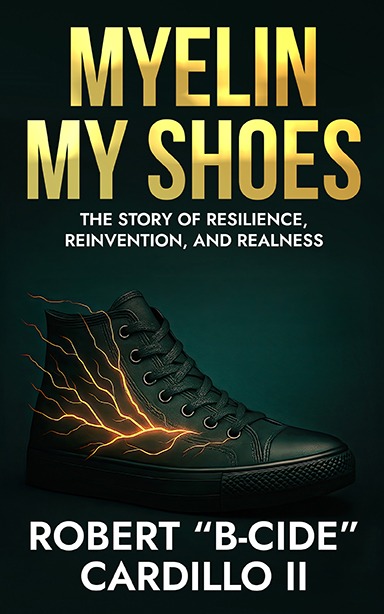
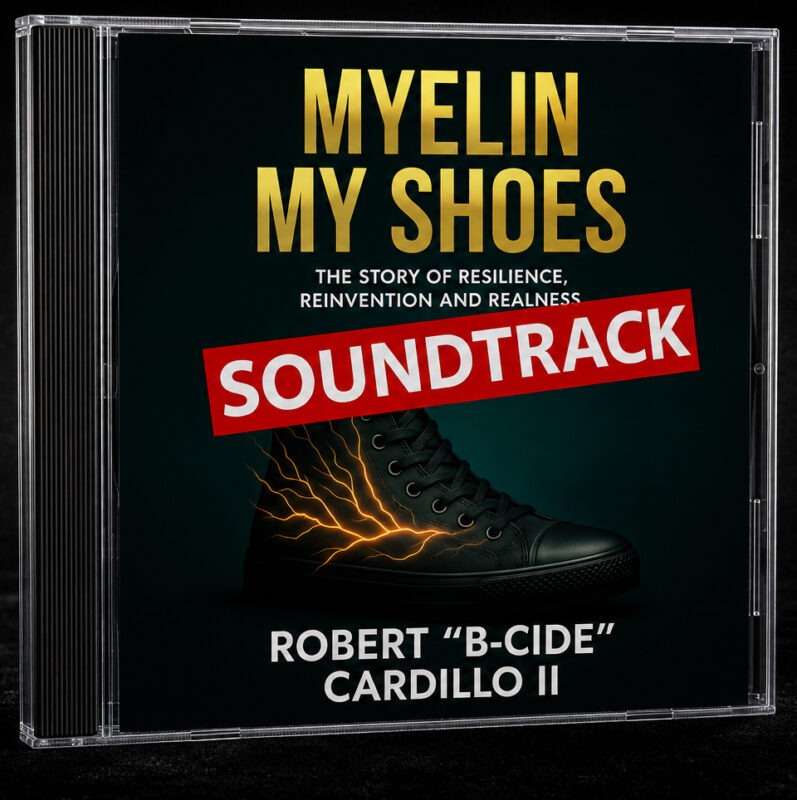
That became Myelin My Shoes.
I didn’t write it because I thought I was famous.
I wrote it because I wanted people to understand what living with Multiple Sclerosis actually felt like.
Not the medical definition.
The human one.
Around that same time, something happened that completely changed my life again.
I misunderstood a challenge on TikTok and decided I was going to go live for ninety days.
To be honest…
I thought TikTok was for fourteen-year-old girls.
I had no idea it was about to introduce me to one of the greatest communities I’ve ever been a part of.
At first, I thought going live would simply give me something to do.
Instead…
It gave me a purpose I never expected.
I realized I didn’t have to pretend to be perfect.
I didn’t have to act like an influencer.
I could simply show up as myself.
One day, a guy named Trent came into one of my livestreams just to troll.
Instead of fighting with him, the community welcomed him.
Today…
He’s one of the regulars.
That still blows my mind.
Somewhere along the way, I realized people weren’t looking for perfection.
They were looking for honesty.
Helping people.
Making music.
Writing books.
Building 55 Strong.
Creating this Legacy Collection.
At one time, I thought those were all separate goals.
Today, I realize they’re all part of the same mission.
To remind people that real strength isn’t pretending everything is okay.
Real strength is getting up anyway.
When I released MonSter, I thought I was releasing another album.
I never imagined it would end up reaching people living with Multiple Sclerosis, ALS, Parkinson’s disease, and other life-changing conditions.
Knowing that hospitals and medical professionals have shared my music with patients showed me something I never expected.
Maybe I wasn’t just making rap music anymore.
Today, people know me for different things.
Some know me because of the music.
Some found me through Myelin My Shoes.
Some found me on TikTok.
Some simply showed up one day looking for someone who understood what they were going through.
Years ago…
I thought success meant getting signed to a record label.
Today…
Success looks completely different.
It’s watching people become friends.
Watching trolls become family.
Watching music reach hospital patients I never imagined it would.
Watching a community remind each other that they’re stronger than they think.
Looking back…
I don’t think Multiple Sclerosis ended my story.
I think it gave my story a different purpose.
I’ve been living my dream for a long time.
Everything you’ve read up to this point wasn’t created to become a collection one day, it was created one chapter at a time over more than two decades.
What you’re looking at below is the complete catalog that tells that story. Every album represents a different chapter of my journey, from my earliest independent releases to my most recent work.
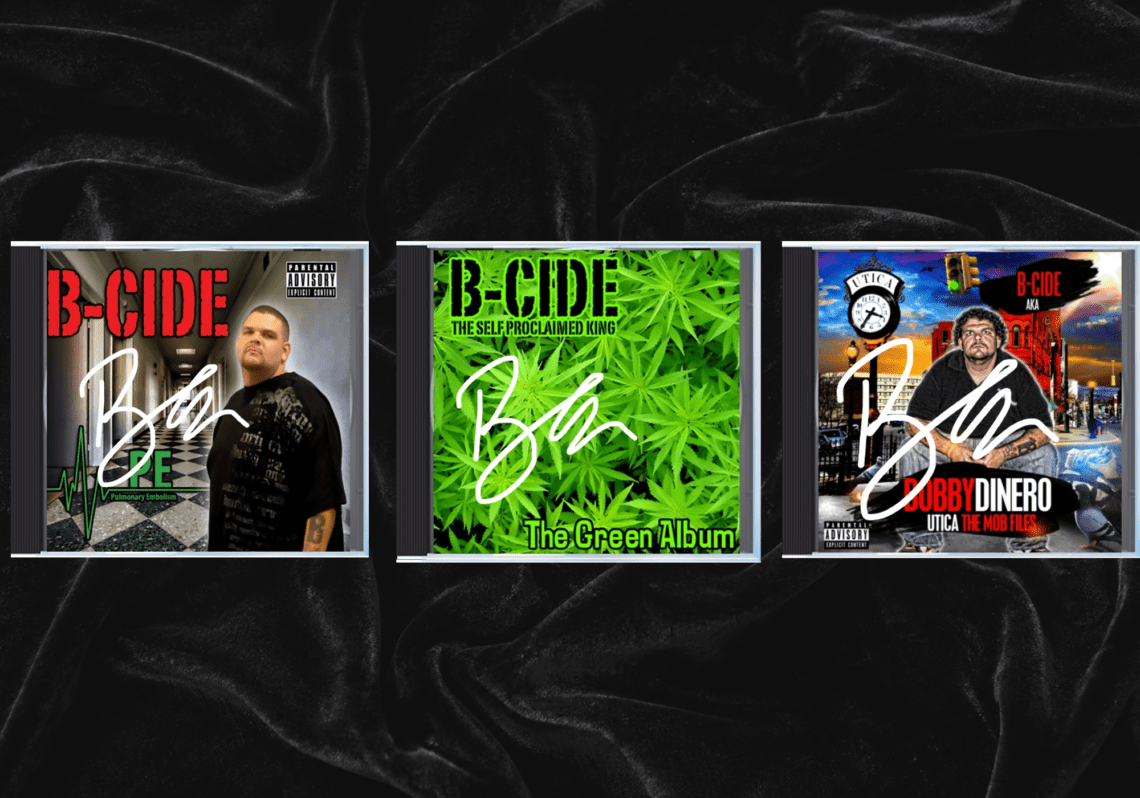
Each CD is personally autographed and included as part of the Legacy Collection.
And you’re about to discover that the music is only part of what you’ll receive.
These are the releases that started everything.
Welcome to Utica: Upstate Madness was my debut solo album and the first official chapter of my recording career. It introduced my music to the underground while featuring early collaborations with artists like my brother and Shysty, laying the foundation for everything that would follow.
Alongside it is Project 315: Future Felons, the only full-length release from the duo Shysty & B-Cide. Throughout the local scene, we were known as Shysty & B-Cide, and this album represented our vision of becoming a true group under the name Future Felons. Together, these two releases capture the beginning of the EastSide Productions era and the first steps of a journey that would span more than two decades.
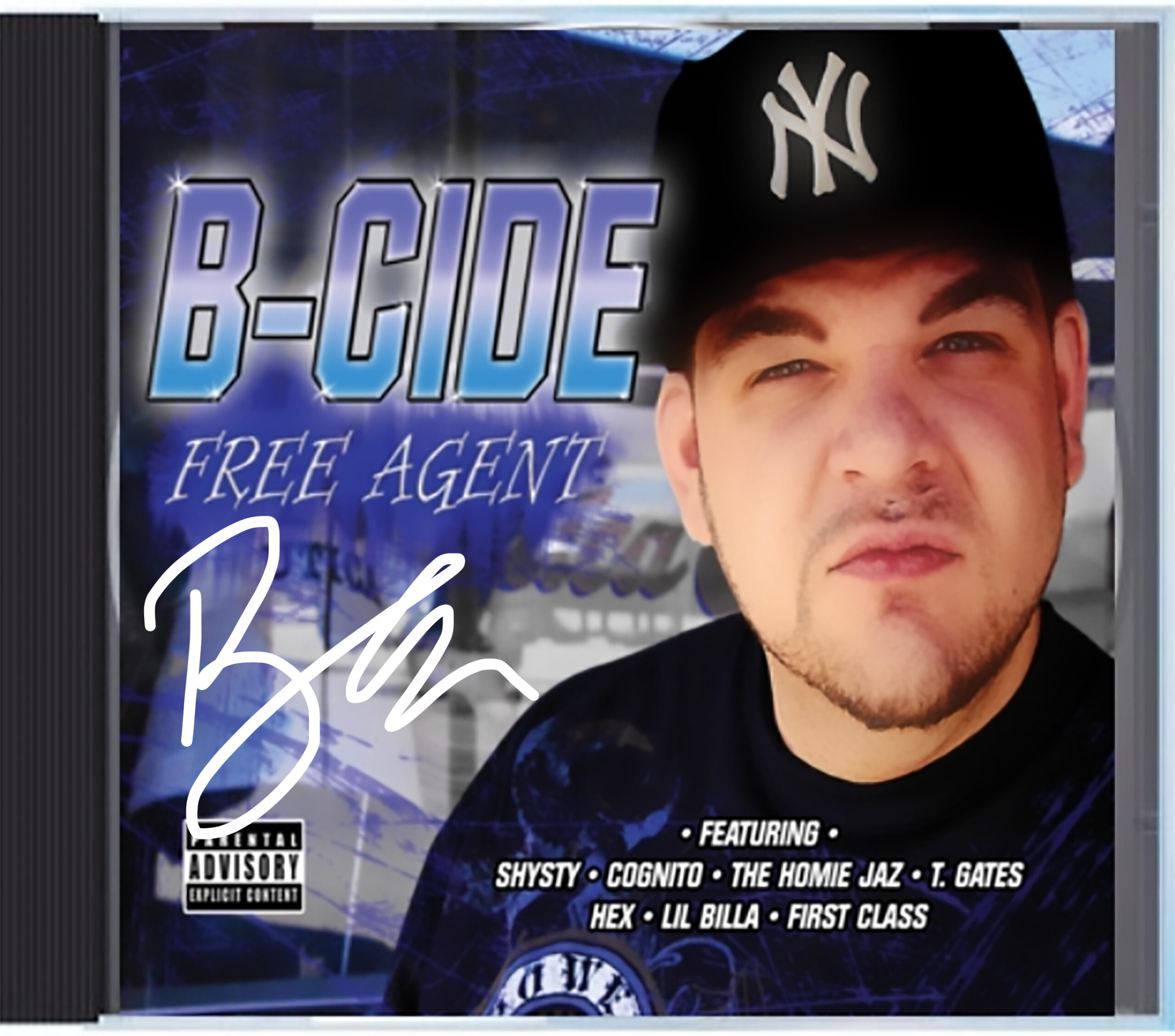
This was the era when everything started coming together. The Self-Proclaimed King became my second solo album and helped establish my name throughout the underground, while the accompanying Fuck the Haters mixtape kept new music flowing to the streets. Free Agent followed in 2008 and represented the project I believed would be my breakthrough album.
As the years continued, I expanded the catalog with The CIDE Show, the Bootlegs & B-Sides series, packed with rare recordings, remixes, demos, and songs that aren’t available on streaming services and The Big East Finest Mixtape Vol. 2, another collaboration with Shysty that continued the chemistry we’d built together. Together, these releases capture a period of constant growth, experimentation, and momentum as my catalog and reputation continued to grow.
These releases document one of the most challenging and transformative periods of my life. P.E. was released just before my Multiple Sclerosis diagnosis, at a time when I was preparing to take the next step in my career. Instead, life took an unexpected turn, and everything changed.
Rather than walking away from music, I kept creating. The Green Album became a home for experimental tracks, rare collaborations including appearances by DJ King Assassin and songs that could never be released on streaming platforms because of sample clearances. Bobby Dinero: Utica The Mob Files followed with a darker, more aggressive sound, featuring guest appearances from Scatterman and Whitney Peyton. Together, these projects capture a chapter defined by resilience, reinvention, and the determination to keep moving forward when life refused to go according to plan.
These releases represent the most recent chapter of my career, a period defined by growth, collaboration, and purpose. My Pain marked the beginning of openly weaving my journey with Multiple Sclerosis into my music, turning personal struggles into songs that others could connect with.
From there, the catalog continued to expand in new directions. Featuring brought together collaborations with legendary artists including Killa Priest (Wu-Tang Clan), Canibus, Kurupt, Krizz Kaliko, Stevie Stone, and more. Lienda followed with appearances from Bizarre (D12), Shaggy 2 Dope (ICP), Darby O’Trill, and other respected underground artists.
The journey also led to unique collaborations like Free That Plant, a cannabis-themed project created with YouTuber The Dank Flamingo, and Somewhere in the Valley, a collaborative album with YC Rocks, a longtime friend and artist I’ve mentored since he was sixteen years old. The era culminates with MonSter, released during Multiple Sclerosis Awareness Month in 2026, a deeply personal album featuring songs like Still Me, Gravity Suit, Mirror Talk, Porch Light, and the title track MonSter, bringing the Legacy Collection full circle from where the journey began to where it stands today.
If the Legacy Collection ended with every official album I’ve released over the past two decades, it would already be the most complete collection of my career ever assembled.
But I didn’t want to stop there.
Because some of my favorite memories… and some of the rarest pieces of my career… were never available as standard albums.
So I went back through the archives.
I pulled out long-forgotten projects, live performances, behind-the-scenes footage, limited editions, companion books, rare collaborations, and a complete digital archive that has never been released like this before.
And every one of them is included with the Legacy Collection.
Some stories are too personal to fit into a three-minute song.
While my music captures moments and emotions, Myelin My Shoes tells the story behind them.
Inside, I share what it was like growing up in Utica, chasing a dream that often felt impossible, navigating the music industry as an independent artist, and ultimately being diagnosed with multiple sclerosis. It’s an honest look at the highs, the lows, the setbacks, and the lessons that shaped both my career and my life.
Whether you’ve followed my journey for years or you’re discovering it for the first time, this book provides the deeper context behind the music you’ve experienced throughout the Legacy Collection.
Some stories are meant to be read.
Others are meant to be heard.
Created as the companion to Myelin My Shoes, this soundtrack captures the emotions behind the pages. Each song reflects a different part of the journey—resilience, loss, determination, hope, and the decision to keep moving forward no matter what life throws your way.
Whether you listen while reading the book or experience it on its own, the soundtrack offers another way to connect with the story and the music that inspired it.
Some moments are better seen than described.
The Legacy Collection includes two exclusive DVDs that capture different chapters of my career, one from the stage and one from the road.
The first, Live, Direct, & In Your Face, takes you back to December 17, 2004, where you’ll see one of my earliest full live performances at Angel’s Bar in Oneida, New York. It’s raw, unfiltered, and exactly what the underground scene looked and felt like during those early EastSide Productions years. Along with the full concert, it also includes additional live performances, fan-cam footage, bonus clips, and interactive DVD menus.
The second DVD, On the Road with B-Cide & Project Born, gives you an all-access look behind the scenes during the Born Dead 2 / Free Agent East Coast Tour. From long drives and backstage moments to live performances and life between shows, it documents what independent touring was really like during one of the busiest periods of my career.
Neither DVD was created to be polished.
They were created to preserve moments that could never be recreated.
Together, they offer a rare opportunity to experience the journey… not just hear about it.
Some albums tell a story.
Others continue to evolve.
Originally released in 2009, The Self-Proclaimed King (Collector’s Edition) expands on one of the defining releases of my early career. Housed in a hard DVD-style case, this limited edition features a different intro, exclusive tracks, and a revised track sequence that gives longtime listeners a fresh way to experience the album.
Several of these songs have never been released on streaming platforms, making this edition one of the rarest pieces in my catalog.
Each copy also includes a printed Certificate of Authenticity and is individually hand-numbered as part of the original limited run of 250 copies.
It’s more than an alternate version of the album.
It’s the complete version of a defining chapter in my career.
Not every project I worked on became part of my official B-Cide catalog.
Created with fellow musician and friend Chris Cox, Altered Carbons – Out of the Box was a completely different creative experience. Together, we built more than just an album—we created an entire concept from the ground up.
Included in the Legacy Collection is the complete Altered Carbons experience, featuring the professionally pressed CD, the full 24-page companion coffee-table book filled with artwork, lyrics, notes, and behind-the-scenes insight.
Although it exists outside my main discography, it’s an important chapter in my creative journey, and I’m proud to include it as part of the Legacy Collection.
Long before streaming, playlists, and social media, there was The Big East Finest.
Originally created during the early EastSide Productions years, this mixtape brought together a group of local artists who shared one goal: to build something bigger than themselves. Like many underground movements, it was fueled by ambition, long nights, and the belief that anything was possible.
When I listened to this project again while preparing the Legacy Collection, I wasn’t expecting much.
Instead, I found myself transported back to that time in my life. It reminded me that this wasn’t just another project—it was a group of artists trying to build something together. That’s exactly why it deserves a place in this collection.
Rather than reproducing the original artwork, I chose to preserve it as an archival release. The minimalist packaging reflects exactly what this has become: a recovered chapter from the EastSide Productions vault.
It’s not polished.
It’s not commercial.
It’s history.
A custom-designed silk bandana created exclusively for Legacy Collection owners.
Featuring the official UGR archival seal and a premium collector design, this is one more piece of the legacy you won’t find anywhere else.
Wear it.
Display it.
Or preserve it alongside the rest of the collection.
Every album.
Every bonus project.
Every documentary.
Every chapter.
All in one place.
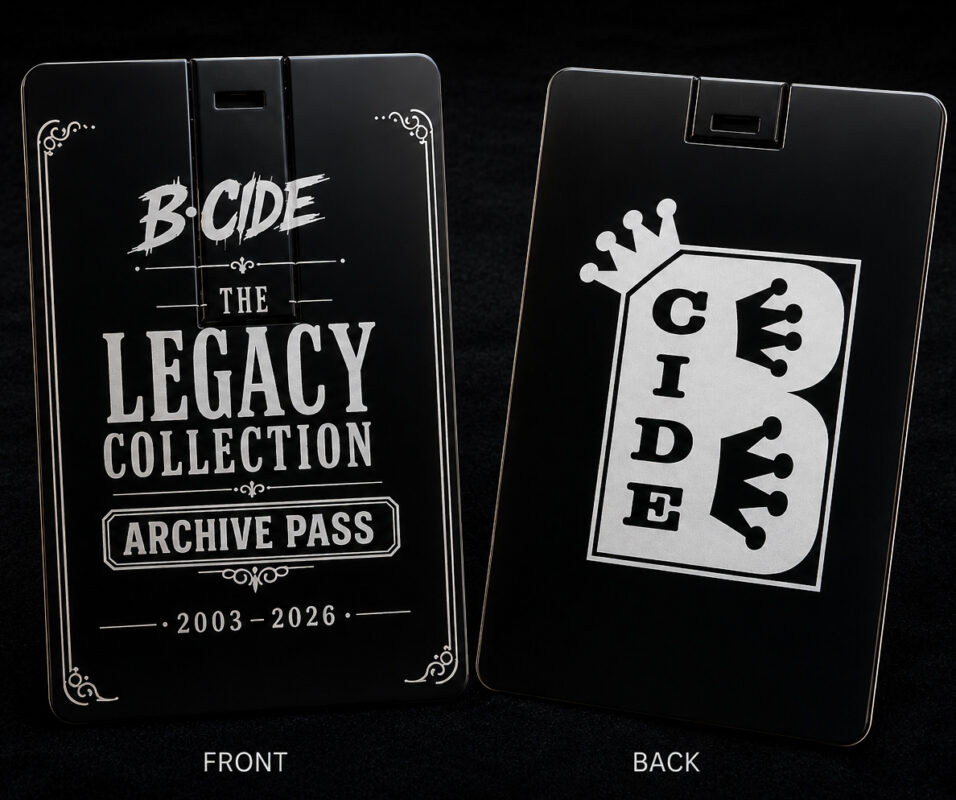
While the physical Legacy Collection preserves the music and memories you can hold in your hands, the Legacy Archive USB gives you access to the complete digital archive.
Inside, you’ll find high-quality WAV and MP3 versions of every album, digital copies of the books and companion materials, both DVDs, rare photographs collected throughout my career, and additional archival content that simply couldn’t fit inside the physical collection.
Think of the Legacy Collection as the museum.
The Legacy Archive USB is the vault.
It’s the one place where everything comes together, giving you instant access to more than two decades of music, memories, and history whenever you want it.
This isn’t just a flash drive.
It’s the digital preservation of my life’s work.
The Legacy Collection isn’t just about preserving the past. It’s about being part of what’s still to come.
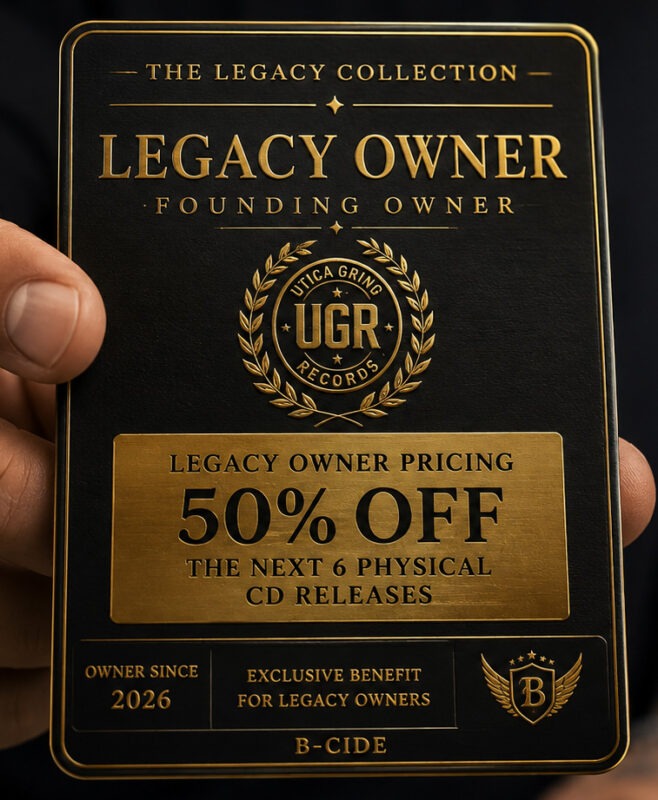
As a Legacy Collection owner, you’ll automatically qualify for Legacy Owner Pricing on my next six physical CD releases.
Whenever I release a new album on CD, you’ll have the opportunity to add it to your collection for 50% off the regular retail price, plus shipping.
This is my way of thanking the people who believed in my music enough to preserve my career in one complete collection. As my catalog continues to grow, your Legacy Collection can grow with it without paying full retail for every new release.
Because a legacy isn’t something that’s finished.
It’s something that continues to be written.
Putting this collection together has been one of the most meaningful projects I’ve ever completed. Every album has been personally autographed, every item carefully selected, and every piece included because it tells part of my story.
I want you to feel just as excited opening it as I was putting it together.
If, for any reason, you don’t feel the Legacy Collection was worth adding to your collection, simply contact me within 30 days of receiving it, return the complete collection in its original condition, and I’ll refund your purchase price.
No arguments. No pressure. No hard feelings.
My goal isn’t just to sell you a collection, it’s to make sure you’re genuinely happy to own it.
Return Policy
The Legacy Collection must be returned complete and in its original condition. Return shipping is the responsibility of the customer unless the order arrived damaged or incorrect.
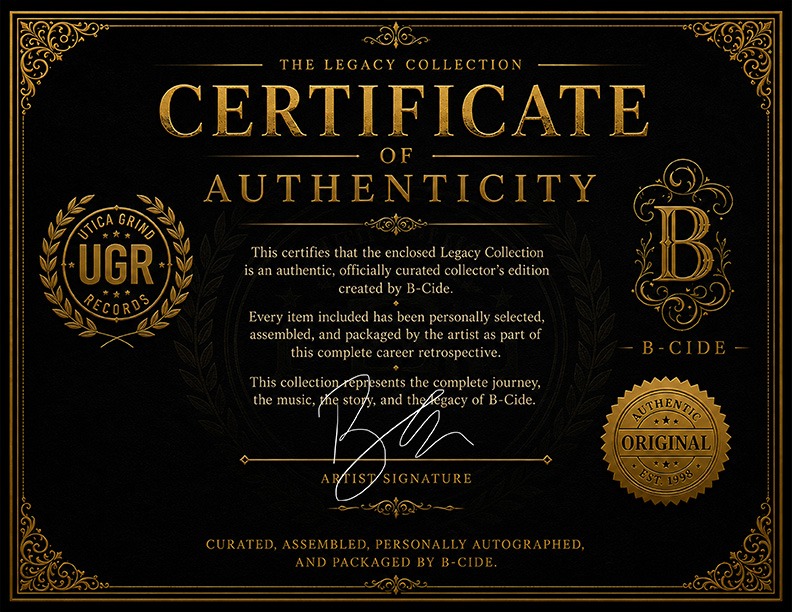
The Legacy Collection includes 18 B-Cide CDs, 2 DVDs, Myelin My Shoes, the Self-Proclaimed King Collector’s Edition, Big East’s Finest Vol. 1, the Altered Carbons CD and 24-page book, the Legacy Archive Pass USB drive, the exclusive Legacy Collection flag and silk bandana, a Certificate of Authenticity, and Legacy Owner Pricing, which gives you 50% off my next six eligible physical releases.
You’ll also receive the autographed items and additional digital material described throughout this page.
Everything shown in the complete Legacy Collection offer above is included for $199 plus shipping.
I’m not putting a fake number on the Legacy Collection and claiming only 50 or 100 will ever exist just to create scarcity. If you want one and I’m able to keep making them, I want you to be able to get one.
That said, I’m personally assembling and signing these collections, and the Legacy Collection may naturally evolve over time as I release new music and my catalog continues to grow. The version you’re buying is the Legacy Collection as it exists today, with everything listed on this page.
The 18 B-Cide CDs included in the Legacy Collection are autographed, but they are not personalized or made out to a specific person. The Self-Proclaimed King Collector’s Edition is also autographed, and your Certificate of Authenticity is signed as well.
The other items in the Legacy Collection are not individually signed.
Yes. The Legacy Collection can be shipped internationally. International shipping costs will vary depending on your country and will be calculated based on the destination.
Please keep in mind that international orders will take longer to arrive than orders within the United States, and any customs fees, import duties, or taxes charged by your country are the responsibility of the buyer.
I personally assemble, autograph, and package every Legacy Collection order, so please allow a little extra time for me to make sure everything is complete and packaged properly.
For orders within the United States, please allow approximately 1 to 2 weeks for delivery. International orders will take longer depending on the destination and the postal service.
I’d rather take the extra time to make sure your Legacy Collection is right than rush it out the door.
If anything in your Legacy Collection arrives damaged, reply directly to your order invoice email and let me know what happened. Please include a photo of the damaged item and packaging if possible.
I want you to feel comfortable ordering the Legacy Collection. If you receive it and decide it isn’t for you, you have 30 days from the date of delivery to request a return.
Simply reply to your order invoice email within those 30 days and let me know you’d like to return it. The complete collection must be returned in its original condition with all items included. Any item that arrived sealed or shrink-wrapped must be returned unopened in its original packaging.
Once I receive and inspect the returned collection, I’ll refund the purchase price of the Legacy Collection. Original shipping charges and return shipping costs are not refundable.
Absolutely. The Legacy Collection is the most complete way to own and experience my catalog, but it isn’t the only way to buy my music.
If you’re looking for a specific B-Cide album, you can still purchase individual albums separately when they’re available. You do not have to purchase the Legacy Collection just to own my music.
Certain items and benefits, however, are exclusive to the Legacy Collection and are not available separately.
The Legacy Archive Pass is a USB drive containing digital versions of the physical media included in the Legacy Collection. The CDs are included digitally, the DVDs are included as digital video files, and Myelin My Shoes is included as both the audiobook and a PDF of the book.
The Altered Carbons CD and 24-page book are also included digitally, with the book provided as a PDF.
The Archive Pass is designed to give you an organized digital version of the collection alongside the physical copies, with additional digital material included where appropriate.
When you purchase the Legacy Collection, you become a Legacy Owner, which gives you 50% off the regular price of the next six B-Cide albums I release physically.
When a new eligible physical album is released, you’ll pay half of the regular album price, plus shipping. This benefit applies to your next six physical album releases.
It’s my way of giving Legacy Owners a permanent benefit that continues beyond the collection you’re buying today.
I know some longtime listeners and collectors may already own one or more of the albums included in the Legacy Collection. The Legacy Collection is sold as a complete collection, so individual CDs can’t be removed, exchanged, or deducted from the price if you already own them.
The collection was put together as one complete package, including the physical albums, Legacy Archive Pass, exclusive items, and Legacy Owner benefits.
And if you end up with a second copy of an album you already own, you’ll have an autographed copy from the Legacy Collection that you can keep, display, or give to somebody else.
Yes. Payment plan options may be available at checkout through third-party providers such as Klarna, PayPal, Cash App, or other available payment services.
The payment options you qualify for will be shown during checkout, so you can choose the option that works best for you.
Payment plans are provided and managed by the individual payment provider and are subject to their approval and terms.
Shipping is not included in the $199 price of the Legacy Collection and will be calculated separately based on your shipping destination.
Your available shipping options and cost will be shown during checkout before you complete your purchase, so you’ll know exactly what the total is before placing your order.
International shipping will naturally cost more depending on the destination.
No. This is Version One of the Legacy Collection, and it represents the collection exactly as it exists today. This is the first time I’ve ever put something like this together, and Version One will remain as it is until I eventually create a Version Two.
Future albums will not automatically be added to Version One. That’s exactly why I created Legacy Owner Pricing. As a Legacy Owner, you’ll receive 50% off the regular price of my next six physical album releases, plus shipping, so you can continue building your collection as new music comes out.
Several items were created specifically for the Legacy Collection and are not available separately. This includes the Legacy Collection flag and silk bandana, the Legacy Archive Pass USB drive, the Altered Carbons CD and 24-page booklet, and Big East’s Finest Vol. 1.
These pieces were produced specifically as part of Version One of the Legacy Collection, so the only way to get them is as part of the complete collection.
I personally assemble and package every Legacy Collection order. Your collection will be securely packaged to help protect all of the individual items during shipping.
With this many different pieces in one collection, I take the time to make sure everything is complete and properly protected before it leaves my hands.
You’ve read the story. You’ve seen the collection. Now I’d like to share one last piece with you.
The Legacy Overture isn’t a playlist or a collection of song samples. It’s a cinematic journey through more than two decades of music, created exclusively for the Legacy Collection.
If you have seven minutes, put on a pair of headphones, press play, and experience the soundtrack behind everything you’ve just seen.
Final reminder of why this collection matters and why now is the best time to own it.